

Philadelphia faces deep and persistent economic challenges. It regularly ranks among the poorest large U.S. cities, with many neighborhoods experiencing entrenched wealth gaps, chronic underinvestment, and limited pathways to economic mobility.
At the same time, our region’s locally owned businesses — the bakeries, repair shops, pharmacies, manufacturers, and service firms that anchor communities and support families — are on the brink of a historic transition as small business ownership passes from retiring baby boomers to new buyers. If capital alone decides the outcome of this transfer, many of these enterprises may be acquired by distant private equity firms whose short-term extractive practices can hollow out jobs, depress wages, and siphon wealth away from our neighborhoods.
But what if there were a different path—one in which ownership remained rooted in the hands of the people who create value every day?
This session will explore how employee ownership (EO)—including worker cooperatives, employee stock ownership plans (ESOPs), and other democratically governed enterprises—can function as a tool for poverty alleviation, wealth-building, and community resilience in Philadelphia. The discussion will emphasize the contrast between extractive private equity models and ownership structures designed to preserve long-term, place-based value, and will center on the role that impact investors, foundations, family offices, and other capital stewards can—and must—play in enabling this shift.
Key Questions and Themes
Why ownership matters
How shifting from wage-only employment to ownership models can rebalance power, reduce income volatility, and create pathways to intergenerational wealth—particularly in communities historically excluded from asset ownership.
The private equity challenge—and the EO opportunity
How conventional private equity acquisition strategies affect local businesses, workers, and neighborhoods, and how employee ownership offers a fundamentally different approach to succession, growth, and value creation. What it means when extractive capital dramatically outpaces community-anchored alternatives—and how impact capital can change that equation.
Barriers and enablers
The legal, financial, governance, and cultural obstacles to scaling employee ownership in Philadelphia—and which capital tools (patient capital, catalytic grants, mezzanine financing, loan guarantees, and technical assistance) are most effective in overcoming them.
Place-based models
How employee ownership initiatives can be designed to reflect the specific assets, labor markets, and community networks of Philadelphia’s neighborhoods, rather than applying one-size-fits-all solutions.
Investor roles and responsibilities
How investors can deploy capital in support of employee ownership without capturing its benefits or undermining democratic governance. What guardrails and best practices—around governance, minority versus majority equity, exit provisions, influence limits, and mission protection—are essential to preserving worker control and accountability.
Case studies and lessons learned
Local and national examples where employee ownership has successfully advanced equitable outcomes, as well as instances where capital structure or governance misalignment limited impact.
Next steps for Philadelphia’s impact ecosystem
What partnerships, policies, pilot projects, and convenings should be prioritized to move from aspiration to implementation. How capital, deal flow, and technical support can be better aligned to make employee ownership durable infrastructure rather than isolated experiments.
Speakers
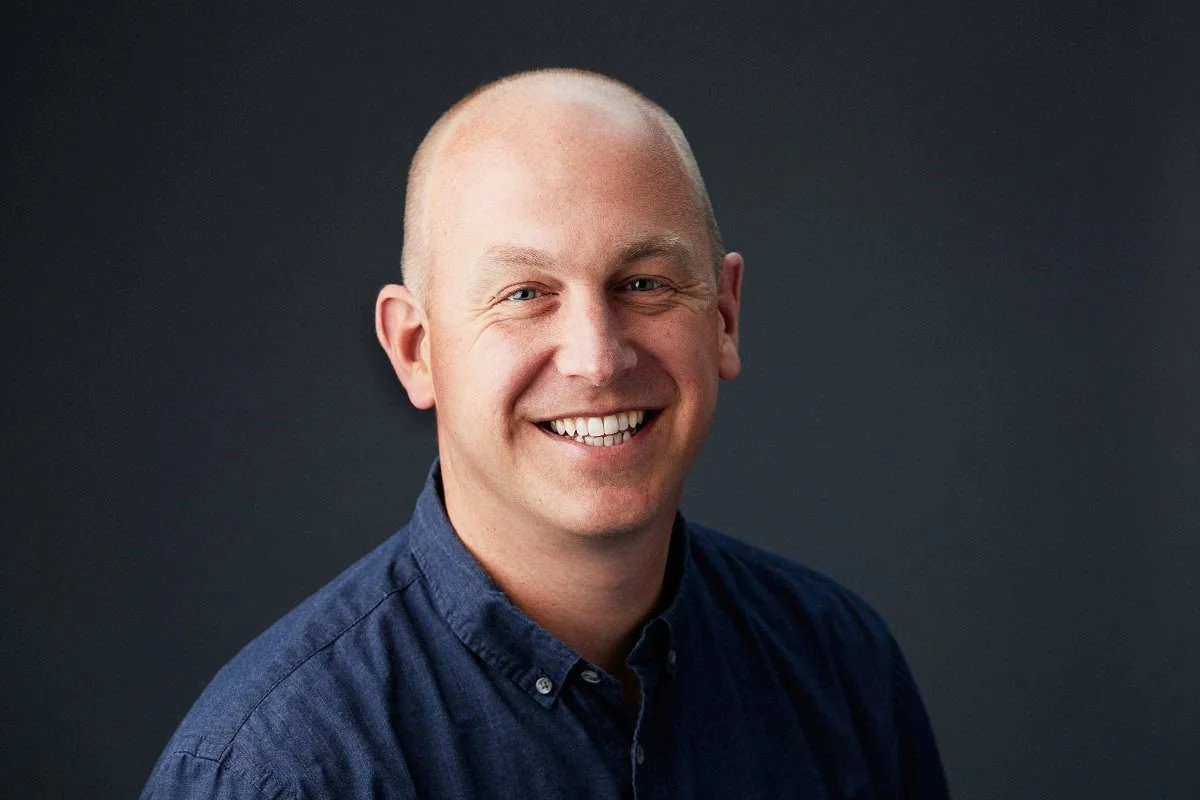
Brian Boland
Co-Founder, Delta Fund
Brian is a co-founder of The Delta Fund, a portfolio of impact investments and grants focused on supporting organizations working to improve human agency. Brian and his wife Katie co-lead the fund’s focus on economic access and advancement with an emphasis on poverty alleviation and racial justice by helping to scale organizations that improve outcomes for the poor and those lacking opportunity. With the Delta Fund, they have co-founded the Unlock Ownership Fund, a multi donor fund focused on pooling DAF and donor capital towards investments in shared ownership initiatives that close the racial wealth gap in the United States. He currently serves on the boards for Turn.io and LifeHikes. Brian is a former Vice President at Facebook where he built high impact teams in strategy, operations, marketing and engineering. Following his career in technology he has testified in the US Senate and served as an expert on CNN, MSNBC, and ABC News on topics related to digital harms and regulation. Prior to working with Facebook, Brian spent time as an entrepreneur, working at an agency and in product roles at Microsoft. Brian holds a bachelor’s degree in philosophy with honors. Brian and Katie live in Bellevue, WA.
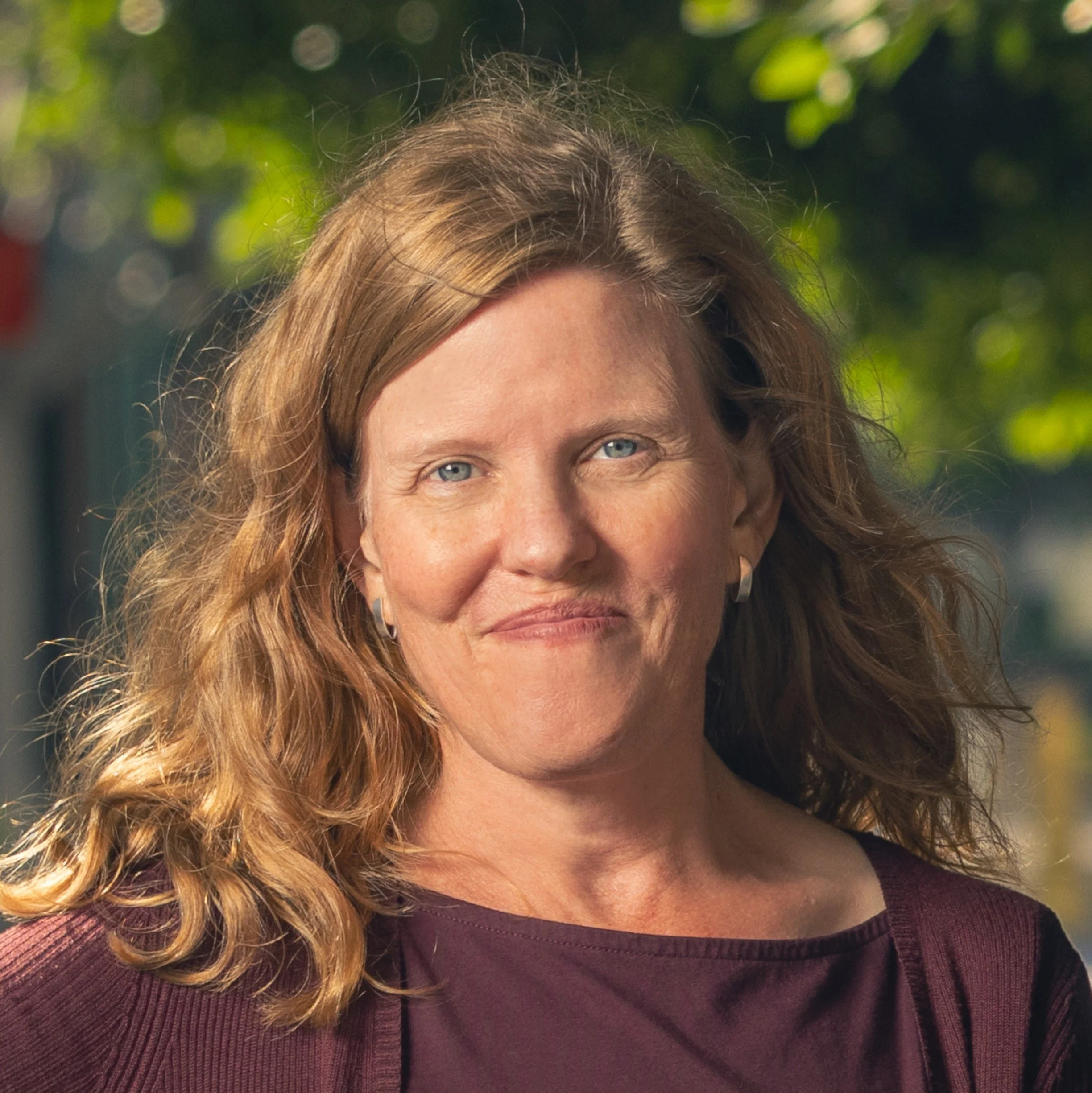
Alison Lingane
Founder & CEO, Ownership Capital Lab
Ownership Capital is a market-building platform focused on scaling employee ownership as a private markets investment strategy. The Lab builds backbone infrastructure for the employee ownership investment ecosystem—connecting investors, fund managers, and opportunities; advancing market transparency and benchmarking; and developing new market solutions, while mobilizing capital toward scalable ownership transitions that address wealth inequality and stabilize small businesses and local economies. Previously, Alison co-founded Project Equity, a national nonprofit that helped pioneer a new wave of employee ownership transitions for small businesses. Through this work she helped originate, structure and complete more than 25 employee ownership transactions, giving her rare hands-on experience across the financing, governance and transition dynamics of employee ownership. Alison also founded and managed the Employee Ownership Catalyst Fund to expand access to financing for employee ownership transitions. Earlier in her career, she held executive and product leadership roles across mission-driven growth companies. Alison is a Heinz Award recipient, an Ashoka Fellow, a Social Impact Fellow at UC Berkeley’s Haas School of Business and an Executive Fellow at the Institute for the Study of Employee Ownership and Profit Sharing at Rutgers University. She holds a B.S. from Harvard University and an MBA from UC Berkeley’s Haas School of Business.
Moderator
Craig Muska
Senior Advisor, Impact and Mission Aligned Investing
Craig works at the intersection of capital markets and community impact, developing strategies to strengthen local economies and advance initiatives in health equity, climate solutions, infrastructure, and sustainable finance. Over the past 25 years, he has built and led initiatives spanning investment management, philanthropy, place-based economic development, and social innovation. His work focuses on aligning financial capital with measurable social and environmental outcomes. Craig has extensive experience designing cross-sector investment programs, environmental sustainability initiatives, and community investment strategies that bring together institutional investors, foundations, and public sector partners. He co-founded a multi-asset-class impact investment management firm serving institutional investors and launched a place-based investment collaborative focused on mobilizing capital for regional economic development. Earlier in his career, he built an industry-leading private foundation advisory practice and impact investment platform within a prominent private wealth management firm.